Sovereign Data with OVHcloud: Why Your Infrastructure Location Matters More Than Ever
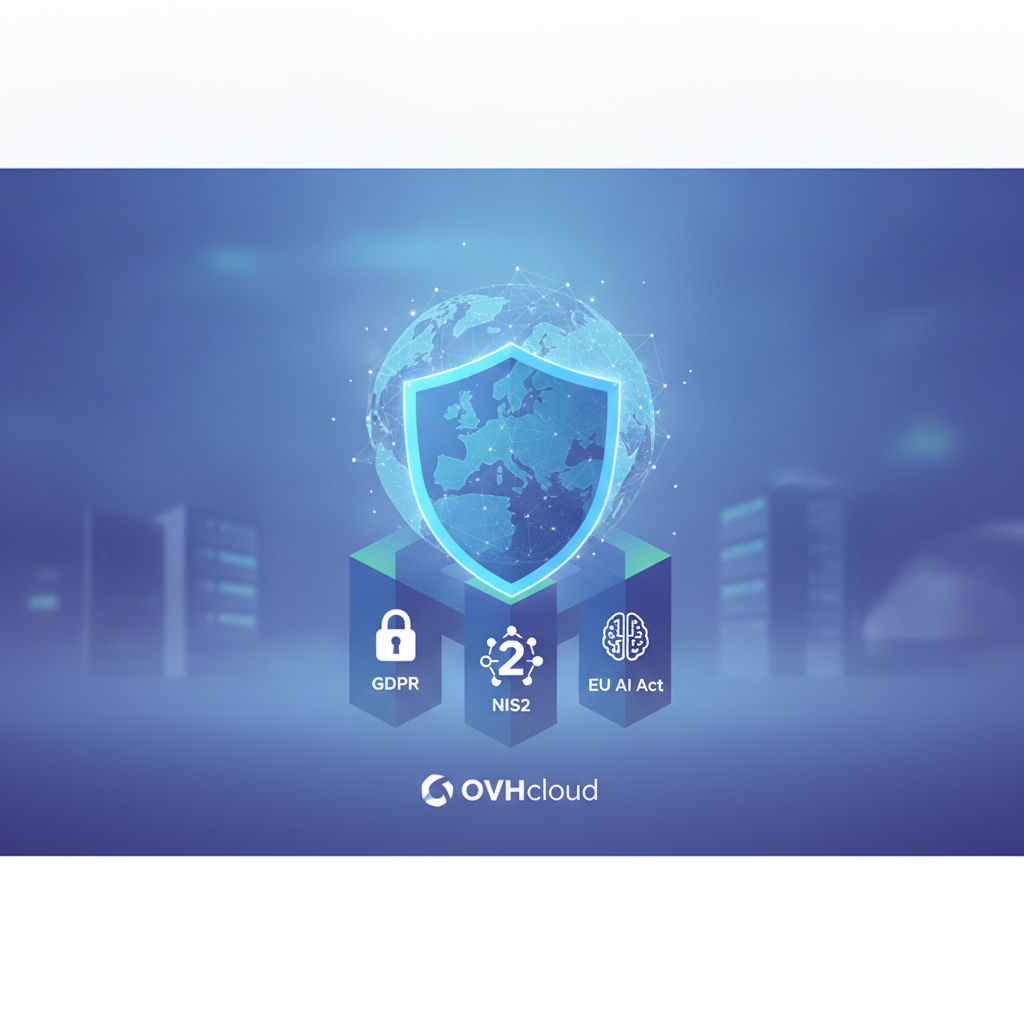
The digital landscape for European businesses is undergoing a profound transformation. A convergence of landmark regulatory frameworks — the NIS2 Directive, the General Data Protection Regulation (GDPR), and the emerging EU AI Act — is fundamentally reshaping not just how organizations handle data, but where they store and process it. For companies operating within the European Union, the question of data sovereignty has moved from a compliance checkbox to a strategic business imperative.
OVHcloud, Europe's leading cloud provider, has positioned itself at the heart of this regulatory evolution, offering infrastructure solutions designed specifically to meet the demands of sovereign data hosting. Understanding why these regulations matter — and how OVHcloud addresses them — is essential for any IT decision-maker, compliance officer, or business leader operating in today's regulatory environment.
Understanding the Regulatory Triad Reshaping European Cloud Strategy
GDPR: The Foundation of European Data Sovereignty
The General Data Protection Regulation has been in force since 2018, yet its implications continue to ripple through corporate IT strategies. GDPR establishes strict rules about how personal data of EU citizens must be collected, stored, and processed. Crucially, it imposes significant restrictions on transferring personal data outside the European Economic Area (EEA) without adequate safeguards.
The landmark Schrems II ruling by the Court of Justice of the European Union invalidated the EU-US Privacy Shield framework, sending shockwaves through organizations relying on US-based cloud providers. While a new framework — the EU-US Data Privacy Framework — has since been introduced, its legal durability remains a subject of debate among privacy experts. This ongoing uncertainty has accelerated the demand for cloud infrastructure physically located and legally governed within European borders.
- Data residency requirements: Many sectors, including healthcare, finance, and public administration, require that data never leaves specific jurisdictions.
- Right to erasure and access: Hosting data in EU-based infrastructure simplifies compliance with individual rights requests.
- Data breach notification: Clear jurisdictional boundaries make incident response and regulatory notification more straightforward.
NIS2: Raising the Bar on Cybersecurity and Resilience
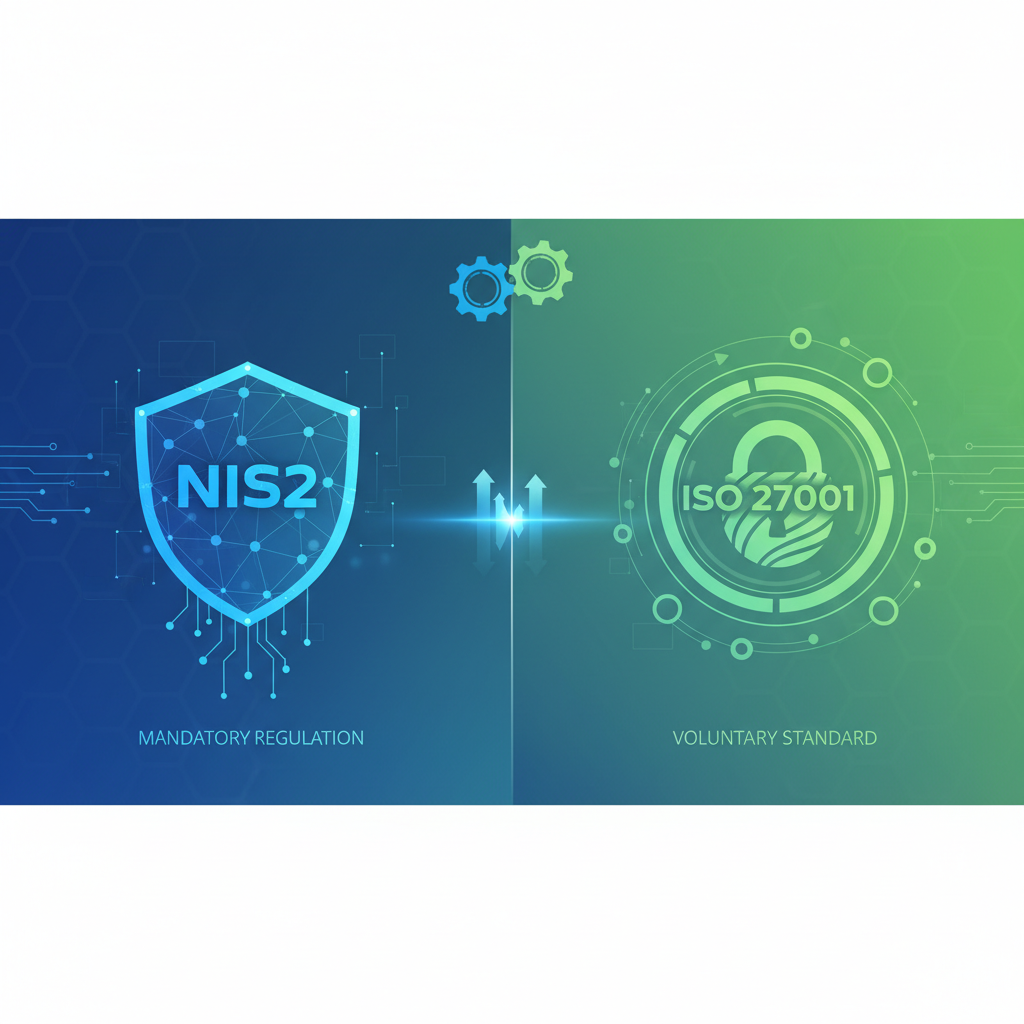
The Network and Information Security Directive 2 (NIS2), which EU member states were required to transpose into national law by October 2024, dramatically expands the scope and requirements of its predecessor. NIS2 targets a far wider range of sectors — including energy, transport, banking, health, digital infrastructure, manufacturing, and public administration — and introduces more stringent security obligations and accountability measures.
Under NIS2, organizations classified as essential or important entities must implement robust cybersecurity risk management measures, including:
- Supply chain security assessments
- Incident response and business continuity planning
- Encryption and access control measures
- Regular security audits and vulnerability testing
- Senior management accountability for cybersecurity decisions
The supply chain element is particularly significant. If your cloud provider cannot demonstrate compliance with NIS2-equivalent standards, your organization inherits that risk. Choosing a European cloud provider subject to the same regulatory framework creates a more coherent compliance posture and reduces third-party risk exposure.
EU AI Act: The New Frontier of Sovereign Infrastructure
The EU AI Act, which entered into force in 2024 and will apply progressively through 2027, introduces the world's first comprehensive legal framework for artificial intelligence. For organizations developing, deploying, or using AI systems, the Act imposes obligations based on a risk classification system — from minimal risk applications to prohibited systems.
For high-risk AI systems — those used in critical infrastructure, employment decisions, law enforcement, biometric identification, and education — the requirements are substantial. They include maintaining detailed technical documentation, ensuring data governance and quality, providing transparency and human oversight, and maintaining logs of AI system operations.
The infrastructure implications are clear: if you must demonstrate that training data, model weights, inference outputs, and audit logs are managed according to EU law, hosting these workloads on servers physically located and operationally governed in Europe is not just preferable — it may become a legal necessity. The ability to demonstrate data lineage, access controls, and jurisdictional clarity will be central to EU AI Act compliance audits.
What Is Sovereign Cloud and Why Does It Matter?
The term sovereign cloud refers to cloud infrastructure that is governed by the laws of a specific jurisdiction, operated by entities subject to those laws, and immune from the legal reach of foreign governments. This stands in contrast to hyperscaler solutions based in the United States, which — regardless of where their data centers are physically located — remain subject to US laws such as the CLOUD Act, which can compel disclosure of data stored anywhere in the world.
Sovereign cloud is not simply about geography. It encompasses:
- Legal sovereignty: The cloud operator is subject exclusively to EU law, not the extraterritorial reach of non-EU jurisdictions.
- Operational sovereignty: Operations, personnel, and management are based in the EU, reducing exposure to foreign intelligence access.
- Technical sovereignty: Open-source or auditable technologies reduce dependency on foreign proprietary stacks that could be manipulated or discontinued.
- Economic sovereignty: Investing in European cloud infrastructure supports the EU's strategic autonomy and digital single market objectives.
OVHcloud: Europe's Answer to Sovereign Infrastructure
A European Cloud Provider Built for European Regulations
OVHcloud is headquartered in Roubaix, France, and operates one of the world's largest networks of data centers, with significant presence across France, Germany, the United Kingdom, Poland, and beyond. As a company incorporated and operating under French and EU law, OVHcloud is not subject to the US CLOUD Act or similar extraterritorial legislation — a fundamental distinction from US-headquartered hyperscalers.
This legal positioning is not incidental; it is core to OVHcloud's value proposition. European organizations entrusting their data to OVHcloud can be confident that no foreign government can compel OVHcloud to disclose data without the explicit authorization of EU legal processes.
SecNumCloud Qualification and Trusted Cloud Certifications
OVHcloud has pursued and achieved some of the most rigorous security certifications available in Europe. The SecNumCloud qualification, awarded by France's national cybersecurity agency ANSSI, is widely regarded as the gold standard for trusted cloud services in Europe. This qualification ensures that:
- The provider's ownership structure is transparent and free from non-EU influence
- Technical and organizational security measures meet the highest standards
- Access to hosted data by non-EU entities is contractually and technically prevented
In addition to SecNumCloud, OVHcloud maintains certifications including ISO 27001, ISO 27017, ISO 27018, HDS (Health Data Hosting for French healthcare data), and PCI DSS, among others. This certification portfolio makes OVHcloud one of the most comprehensively accredited cloud providers available to European enterprises.
Aligning OVHcloud Infrastructure with NIS2 Requirements
OVHcloud's infrastructure and service design align closely with the technical and organizational requirements mandated by NIS2. For organizations classified as essential or important entities, partnering with OVHcloud provides several compliance advantages:
- Physical security: OVHcloud data centers employ multi-layer physical access controls, 24/7 monitoring, and redundant power and cooling systems.
- Network resilience: OVHcloud operates its own global fiber backbone, providing DDoS mitigation, redundant connectivity, and network segmentation capabilities.
- Incident response: OVHcloud maintains dedicated security operations capabilities and provides customers with the tools to monitor, detect, and respond to incidents within their environments.
- Supply chain transparency: As an integrated provider that designs, builds, and operates its own hardware and data centers, OVHcloud offers greater supply chain visibility than providers relying on complex third-party ecosystems.
Supporting EU AI Act Compliance Through Trusted AI Infrastructure
For organizations building or deploying AI systems that fall under the EU AI Act's high-risk categories, OVHcloud provides the infrastructure foundation necessary to meet compliance obligations. Key capabilities include:
- GPU compute clusters in EU data centers: Training large language models and other AI workloads on OVHcloud's European infrastructure ensures that model training data and outputs remain under EU jurisdiction.
- Object storage with audit logging: Immutable audit logs and versioned data storage support the technical documentation and data governance requirements of the EU AI Act.
- Managed Kubernetes and MLOps platforms: Containerized AI workload management with fine-grained access controls supports the operational transparency and human oversight requirements of the regulation.
- Private and dedicated cloud options: For the most sensitive AI applications, OVHcloud's dedicated server and private cloud offerings provide complete workload isolation.
Practical Steps for Organizations Migrating to Sovereign Cloud
Transitioning to a sovereign cloud model requires careful planning. Here is a structured approach for organizations evaluating their infrastructure against the regulatory requirements of GDPR, NIS2, and the EU AI Act:
- Conduct a data mapping exercise: Identify all personal data and sensitive workloads currently hosted outside the EU, particularly those subject to GDPR, sector-specific regulations, or the EU AI Act.
- Classify your regulatory obligations: Determine whether your organization qualifies as an essential or important entity under NIS2, and identify any AI systems that fall into high-risk categories under the EU AI Act.
- Assess your current provider's legal exposure: Evaluate whether your existing cloud providers are subject to non-EU jurisdictional reach and what contractual protections are in place.
- Evaluate OVHcloud's product portfolio: Match your workload requirements — compute, storage, networking, managed services, AI infrastructure — to the relevant OVHcloud offerings, prioritizing those with SecNumCloud or equivalent certifications.
- Plan a phased migration: Prioritize the migration of the most regulated and sensitive workloads first, using OVHcloud's migration support resources and partner ecosystem.
- Implement monitoring and compliance tooling: Deploy logging, monitoring, and compliance reporting tools within your OVHcloud environment to create the audit trails required by NIS2 and the EU AI Act.
The Strategic Business Case Beyond Compliance
While regulatory compliance is the immediate driver, the business case for sovereign cloud with OVHcloud extends further. Trust has become a competitive differentiator. Organizations that can credibly demonstrate to customers, partners, and regulators that their data is handled in accordance with the highest European standards gain a measurable advantage — particularly when competing for public sector contracts, healthcare partnerships, or financial services clients.
Furthermore, the consolidation of data infrastructure within a single, well-certified European provider can reduce operational complexity, lower total cost of ownership compared to multi-hyperscaler sprawl, and simplify incident response and audit processes. OVHcloud's transparent, consumption-based pricing model — without the egress fee structures that can make leaving US hyperscalers prohibitively expensive — also supports genuine data portability and vendor independence.
Conclusion: The Future of European Cloud Is Sovereign
The regulatory convergence of GDPR, NIS2, and the EU AI Act is not a temporary compliance burden — it is the structural foundation of Europe's digital future. Organizations that align their infrastructure strategies with these frameworks now will be better positioned to operate, innovate, and compete in the years ahead.
OVHcloud offers European businesses a compelling, proven path to sovereign data hosting: a provider built in Europe, governed by European law, certified to European standards, and committed to the principle that your data belongs to you — not to foreign governments, not to hyperscalers with conflicting legal obligations, and not to anyone who hasn't earned your trust.
The question is no longer whether to prioritize data sovereignty, but how quickly your organization can act. The regulatory clock is already ticking.